Semester Awards
Each semester, the Faculty of Business, Economics and Informatics awards outstanding work with a semester award in the amount of CHF 600 each. Read more about the award ceremony at the UZH Day of Excellence in Teaching.
Grid containing content elements
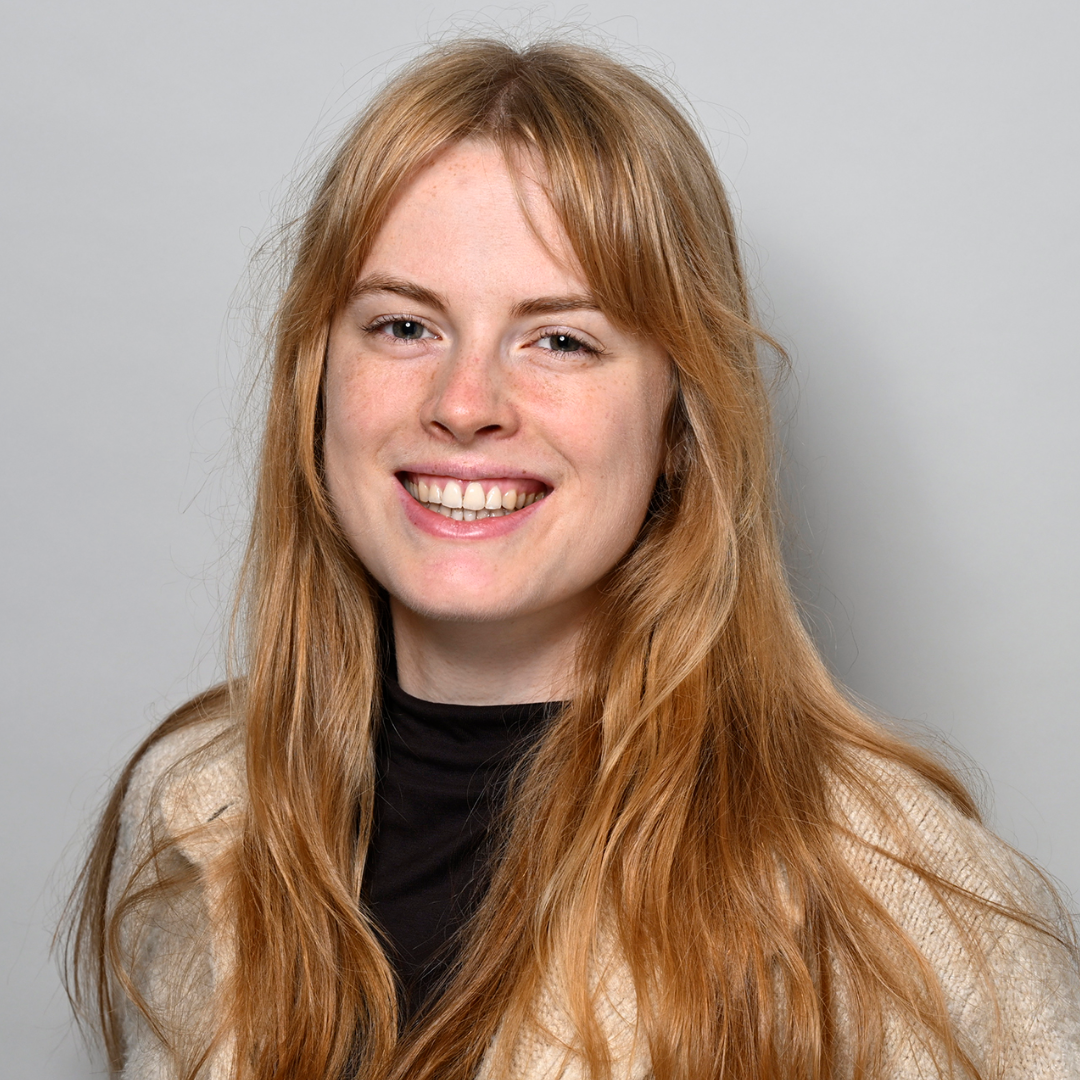
Eva Küpper (FS25)
Loss aversion – the tendency to weigh losses more heavily than equal gains – affects many important decisions, such as how people invest or plan for retirement. Yet it remains unclear how governments should account for this behavior when designing policies. In her Master’s thesis, Eva Küpper examines this question using a new experimental framework that links people's choices to self-reported well-being. Her findings suggest that loss aversion reflects a preference rather than a mistake: the average person is better off when planners help them avoid losses, even if that leads to lower earnings.
Thesis not public.

Ralf Blöchlinger (FS25)
Did job losses during the pandemic fuel the U.S. drug crisis? In his Master’s thesis, Ralf Blöchlinger compared counties differentially exposed to layoffs due to their industry structure to separate unemployment from other forces. He found no nationwide effect but revealed that in rural areas unemployment drove a sharp rise in drug mortality – accounting for around 28% of the increase from 2019 to 2022. The effect was strongest in economically vulnerable and credit-constrained counties, where job losses amplified stress and drug use.

Kevin Bründler (FS25)
What if AI could learn from “fake” data when real business emails are too private to use? In his Master’s thesis, Kevin Bründler explores how synthetic data can help Natural Language Processing (NLP) in fields where real communication is too sensitive to share, like maritime chartering. Comparing five large language models, he tested methods for generating realistic emails and extracting key details. Results show that synthetic data can mimic human language but tends to sound overly positive. The results highlight both the promise and limits of synthetic data, requiring careful balance.

Daniele Cambria (FS25)
Can regulation change how long loopholes last in sports betting? In his Bachelor’s thesis, Daniele Cambria studies how regulation shapes betting market dynamics. He compares countries with state-run markets like Switzerland, Finland and Norway, to liberalized ones, like the UK and Germany. The results show that arbitrage opportunities last longer in monopolistic markets, while they close faster in open markets. This effect is especially strong in Finland, whereas Switzerland shows a similar but weaker trend. The findings highlight how market structures affect betting dynamics and opportunities.

Henrik Nordgren (FS25)
In his Bachelor’s thesis, Henrik Nordgren presents Dash, a new programming language built on data-oriented programming (DOP) principles to reduce common software bugs while staying simple and reliable. By enforcing immutability, compile-time and runtime checks, Dash avoids vulnerabilities such as memory corruption, type confusion and unhandled errors. A prototype compiler shows its feasibility, and comparisons with Go and Rust highlight stronger safety than Go and simpler use than Rust. Dash offers a promising foundation for safer software development but requires further evaluation of performance, memory management and concurrency.

Jan Fasnacht (HS24)
Why do some communities resist change? In his Master’s thesis, Jan Fasnacht shows that, when group identities compete, people stick more closely to their own networks and norms. By studying 16 million Dutch families around the 1853 restoration of the Catholic hierarchy, he found that families signaled their identity through first names and marriage ties, slowing adoption of modern practices like fertility control. The results highlight how identity competition can lock groups into tradition, even as society modernizes.
Thesis not public.

Natalia Obukhova (HS24)
Studying trauma can be tough on researchers too, but in Human-Computer Interaction (HCI), their well-being is often overlooked. In her Master’s thesis, Natalia Obukhova interviewed ten HCI practitioners and found weak support systems, scarce formal guidelines and a heavy dependence on informal advice. Also, universities rarely provide enough counseling and training. To address these gaps, Obukhova suggests better counseling, training, and ethical processes, alongside a prototype app – We are also humans – designed to support researchers’ self-care.
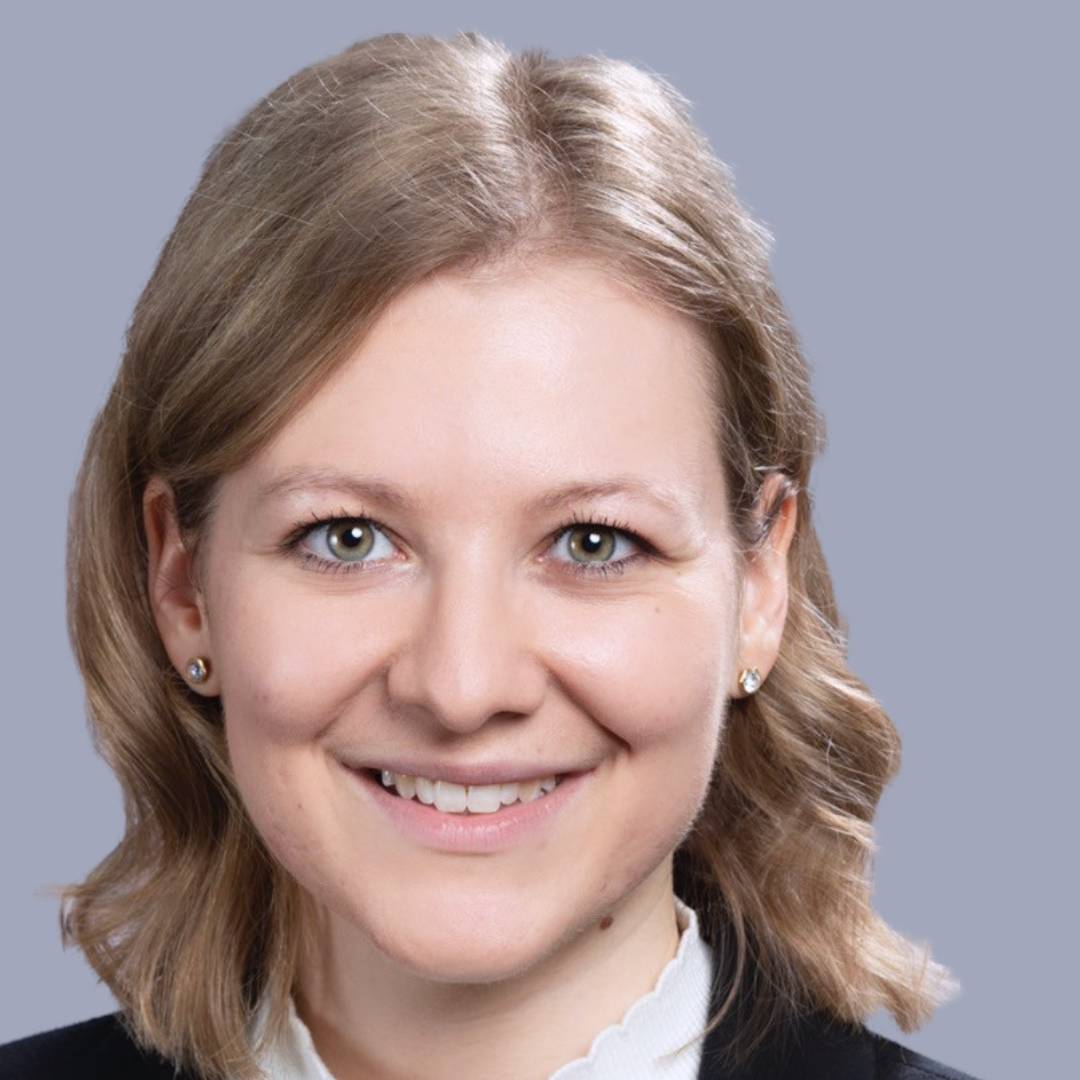
Sina Freiermuth (HS24)
Are immigrants drawn to welfare benefits? In Switzerland, roughly 80% of survey participants believe that immigrants come for benefits. In her Master’s thesis, Sina Freiermuth shows that such beliefs strongly shape views on immigration and redistribution. Informing people that immigrants contribute relatively more to the pension scheme than Swiss citizens, they became less supportive of cutting immigration. However, when presented with evidence from Denmark, a true welfare magnet, they did not change their views on immigration, but reduced their support for redistribution. It is perceptions, not just facts, that prove central to shaping policy preferences.
Thesis not public.

Gerrit Pecksen (HS24)
Artificial Intelligence (AI) is reshaping jobs, raising the question: is it replacing human work or supporting it? In his Master’s thesis, Gerrit Pecksen introduces a framework that classifies tasks as either soft skill-intensive (relying on social and thinking abilities) or hard skill-intensive (divided into manual and non-manual). Using U.S. and Swiss data from the past decade, the study finds that AI growth increases the intensity of soft skills and, surprisingly, reduces the use of manual hard skills. This suggests AI complements inherently human abilities, while its impact on non-manual hard skill work is still unfolding.
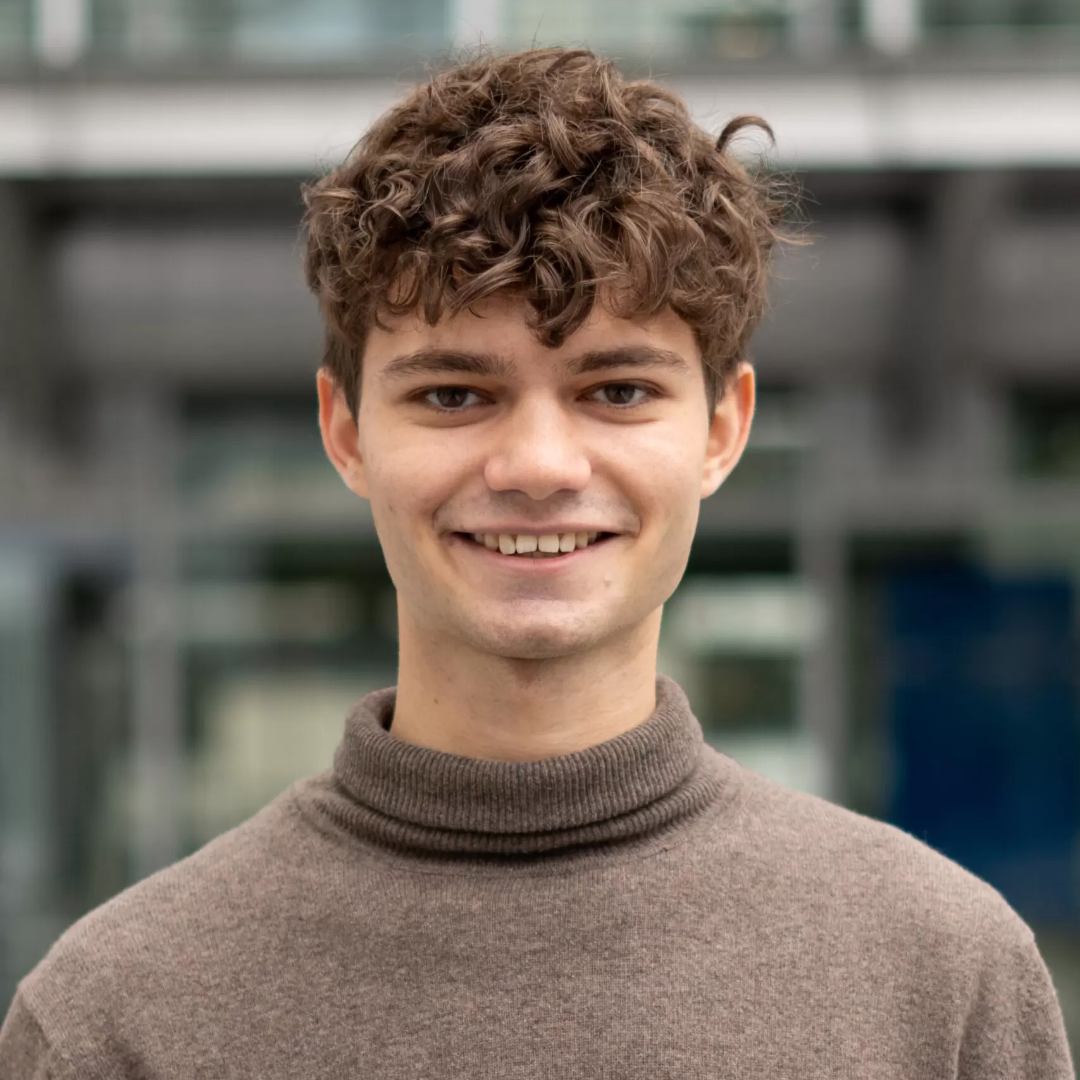
Tarek Alakmeh (HS24)
As software gets more complex, comprehending code becomes harder. It isn’t just a technical task; it’s a mental workout. In his Master’s thesis, Tarek Alakmeh developed a new, human-centered approach to measure code comprehensibility. Using eye-tracking and brainwave data (EEG), he shows that difficult code demands more mental effort. By analyzing how people’s eyes move and how their brains respond, a neural network can predict the perceived code difficulty. The study shows that combining code features with eye data yields the most accurate results, underscoring the importance of employing multiple human-centered methods.
Thesis not public.

Semester Awards for 61 Students
On Tag der Lehre (Day of Excellence in Teaching), UZH recognizes outstanding semester papers and academic achievements. The award-winning papers mark important milestones on the individual student journeys that were the primary focus of the event. In the spring semester 2024, five theses by students from the Faculty of Business, Economics and Informatics were awarded the semester award.

Federico Crivelli (FS24)
How do parents influence their children’s career choices in Switzerland? In his Bachelor’s thesis, Federico Crivelli used survey data from secondary school students and found that 10-15 percent of children choose the same job as one of their parents, while almost half stay in the same field or type of occupation. The thesis also shows that kids are more likely to choose a job if their parents work in that area, and those who switch careers tend to move further away from their parents in terms of estimated earnings. Gender- specific patterns are also observed: Sons and daughters often follow the careers of their same-sex parent.

Chen Lan (FS24)
It is well-known that human choice contains a significant random component. In her Master ’s thesis, Chen Lan explored how people make decisions by imagining they have different versions of themselves, each with its own preferences. These versions “vote” to decide what choice to make. Two models are introduced: One that assumes people act rationally and another that recognizes that they sometimes make irrational choices due to inattention. The findings reveal that inner conflicts and lack of attention significantly affect how people decide.

Dominik Lukač (FS24)
What role do firm wage policies play in closing the earnings gap between immigrants and natives? In his Master’s thesis, Dominik Lukač examined this question by analyzing wage trends in Switzerland from 2002 to 2020. He highlights the significance of both within-firm and between-firm wage effects. For immigrants who arrived between 2000 and 2004, moving to higher-paying firms was key to reducing the gap, while wage inequality within firms persisted. Greater job mobility and larger wage hikes upon move enable this channel, while its size depends heavily on origin, education and age at arrival.

Paul Safari (FS24)
How can athletes make the most out of the data from their wearable devices? In his Bachelor’s thesis, Paul Safari examined how athletes often fail to fully utilize wearable tech data to enhance their training. Collaborating with rowing experts, he identified major issues like interfaces that don’t encourage reflection and the absence of subjective recovery data. To tackle this, he developed „RecRef“, a mobile tool that combines user input and recovery metrics to help athletes optimise their recovery and performance.
Thesis not public

Lina Widmer (FS24)
In her Bachelor’s thesis, Lina Widmer investigated the role of well-being in managerial contexts and its influence on job performance through the Job Demands-Resources (JD-R) theory. The findings highlight that well-being is often characterized as an emotional state encompassing both pleasure and purpose, aff ecting physical, mental and financial health. To better understand employee well-being, the paper proposes that the definition of well-being must be extended with more specific aspects such as subjective satisfaction, good health, high engagement and the absence of stress or burnout.