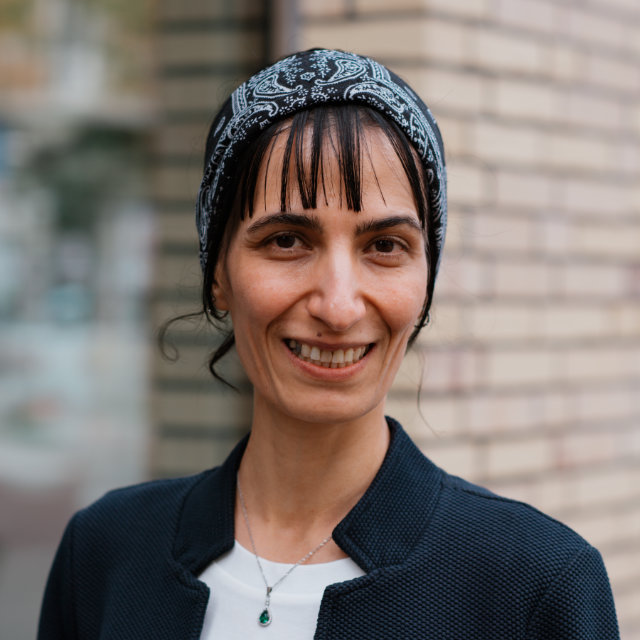
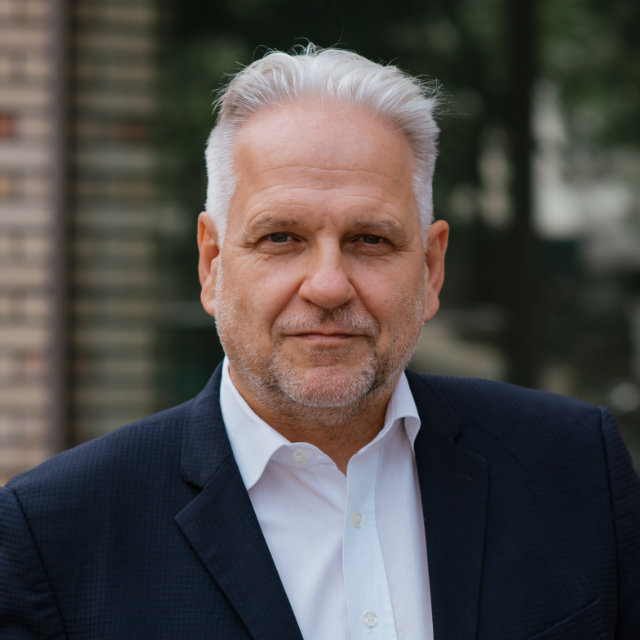
A Conversation on Meaning, Leadership and Respect (EN)
Alumnus Prof. Dr. Bernhard Koye and PhD student Banafshe Bamdad share their thoughts on the experiences that have shaped them, the importance of values, and why self-respect matters.
Bernhard: Which experiences – or people – have had a particular impact on you recently?
Banafshe: My PhD proposal defense was a turning point for me. The PhD committee suggested a few key changes, and by following their advice, I resolved the main issues I was facing and created new opportunities for progress. Especially through my supervisor, Prof. Manuel Günther, I learned so much. He was very supportive, highly knowledgeable and kind. His guidance really shaped how I approach challenges today.
Bernhard: I can relate to that experience of being shaped by inspiring people. One leader I have deeply respected is Helmut Schmidt, former German Chancellor, who combined strategic thinking with a strong sense of duty to serve his country to the best of his ability. As Schumpeter’s idea of “creative destruction” reminds us, radical change comes with high social and economic costs, and Europe was slow to prepare for the digital age. Responsible and trustful leadership is more important than ever, yet tactical behavior often overshadows these values. This fuels the rise of autocratic systems, as many fear the impact of the digital age and the loss of wealth. I’m glad to see Western European leaders now seem to be realizing that they need to stand together and to act strategically in order to defend democracy.
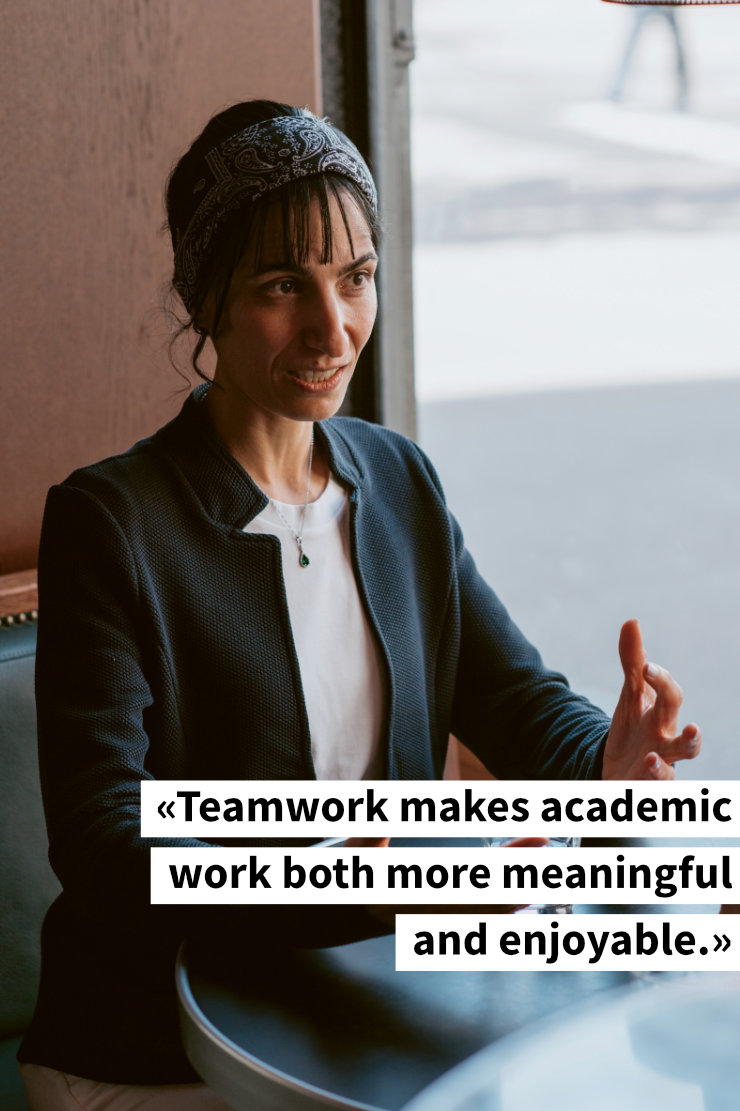
Banafshe: I completely agree, collaboration is key, both in politics and in research. Teamwork is very important to me, because real academic progress rarely happens in isolation. At the Una Europa Challenge 2025, I worked with students from various fields, and our mix of perspectives led to creative solutions. Our project even won an award. I have also experienced the value of collaboration as an officer of the Women in Informatics Network at the University of Zurich, which connects and supports underrepresented groups in computing. Every meeting reminds me how diverse viewpoints strengthen decisions. These experiences have taught me that teamwork makes academic work more meaningful and more enjoyable.
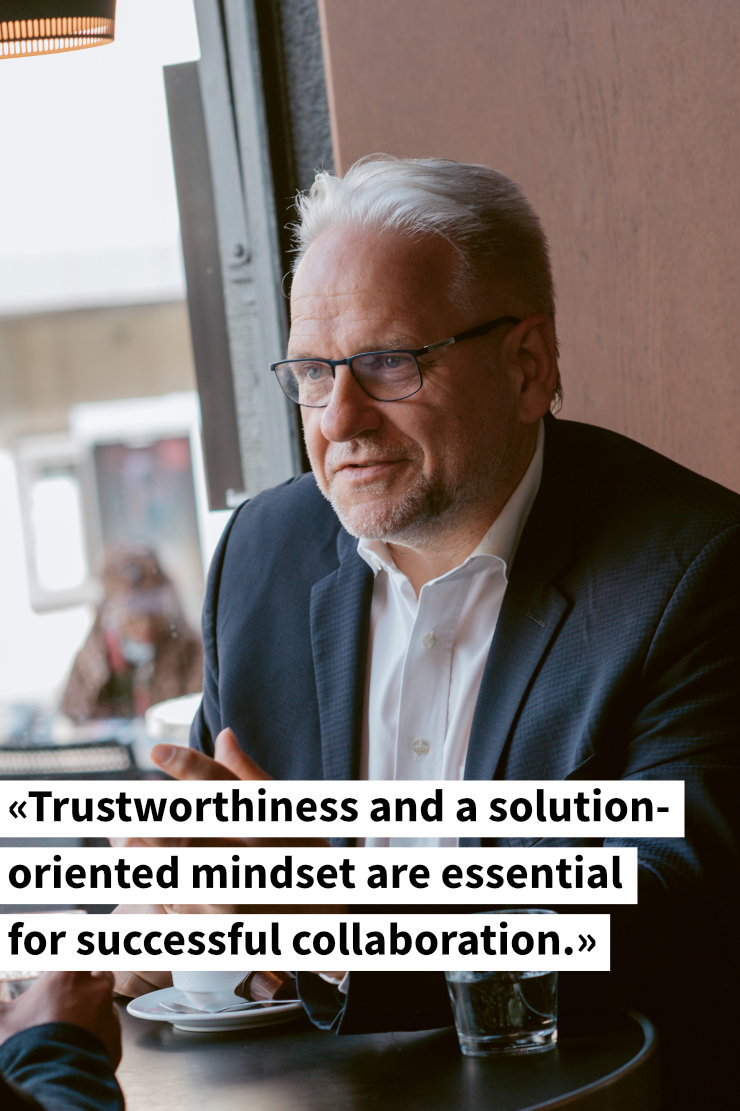
Bernhard: That’s a great point. Real progress, whether in science or society, always comes from working together. For me, collaboration starts with a shift from “me” to “we”. Only by combining our skills in high-performing teams can we create solutions that ensure a sustainable economy and society. Both my research on the impact of the digital age on organizations and my experiences as a coach, leader, and manager have shaped my personal set of values and guided me at crossroads. Reliability, honesty, dedication, respect and teamwork have always been central to me. Over time, I have learned that trustworthiness and a solution-oriented mindset are essential for successful collaboration and for developing the best solutions early on. I’m also very grateful that I’ve been able to build my life in Switzerland from scratch through hard work and dedication, in a system which focusses on capabilities and quality as the basis for success. I have always had to find my own path, and I believe I made good decisions at crucial turning points. Still, I would have appreciated having a mentor to support my personal growth along the way.
Banafshe: That resonates with me. I am very grateful for the OEC Mentoring Program, which can truly change lives – exactly the kind of impact I hope to create one day. If you could start over, would you study economics again?
Bernhard: Yes, definitely. I wanted to understand how our economic reality works, and studying economics not only gave me the necessary tools but also strengthened my ability to think conceptually and develop scenarios for uncertain situations – like those we face in the digital age. I might, however, combine it with a minor in philosophy and technology to better explore why we act the way we do, not just how.
Banafshe: Which factors do you think are most important for students as they shape their future?
Bernhard: From my point of view, students should receive better guidance in logical thinking, reflection, and selflearning – essential skills in today’s fast changing world. University education shouldn’t just test knowledge but cultivate critical thinking, problem-solving, and the ability to collaborate in a supportive and respectful manner to find excellent solutions. Is there something you wish you had emphasized more?
Banafshe: In the past, I ignored my own self-respect. I respected others, but they did not respect my rights. While it’s important to respect others, it’s equally important to protect your own rights and self-respect.